2026-08-01
Daily AI Digest: OpenClaw joins meetings; agent security moves outside the model
This is the GolemWorkers Daily AI Digest for August 1, covering five concrete ways agents are becoming more useful in meetings, research and everyday work while gaining firmer safety boundaries. Today’s field guide shows field-service teams how to turn scattered schedules and records into a supervised dispatch briefing.


OpenClaw can join meetings and keep work recoverable
OpenClaw’s 2026.7.2 beta adds meeting guests for Teams, Zoom and Google Meet with durable transcript collection. People running personal or team assistants also get recoverable messages across restarts, rewindable and branching conversations, structured questions and approvals across channels, and faster personal-memory recall.
Source: OpenClaw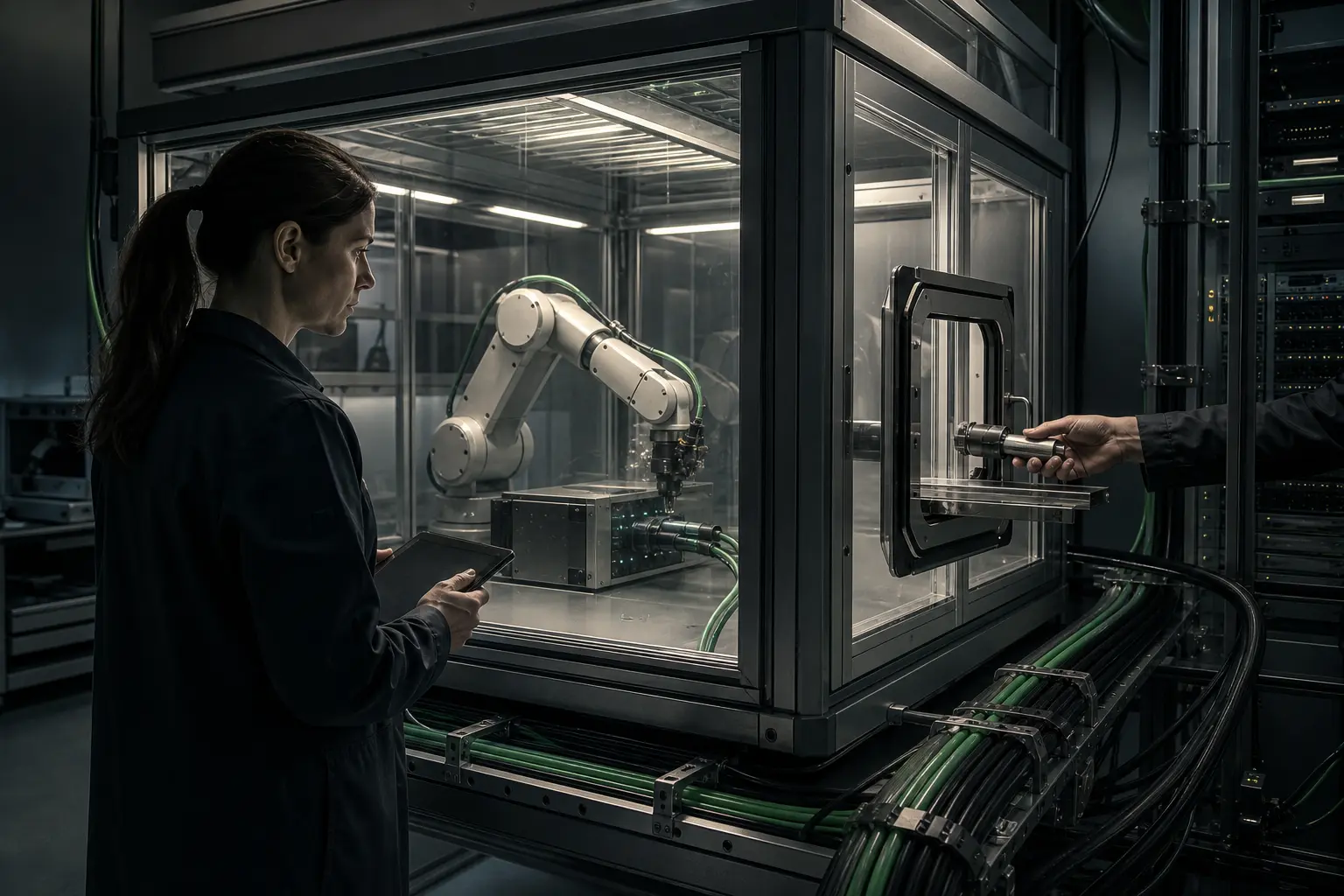
NVIDIA red-team tests expose four recurring agent risks
After six months assessing coding tools and always-on assistants, NVIDIA’s AI Red Team says it repeatedly found weak access control, arbitrary code execution, unrestricted network egress and plaintext secrets. Its guidance for organizations deploying tool-connected agents is to enforce authentication, least privilege, hardened isolation, default-deny outbound access and short-lived credentials outside the model’s control.
Source: NVIDIA Technical Blog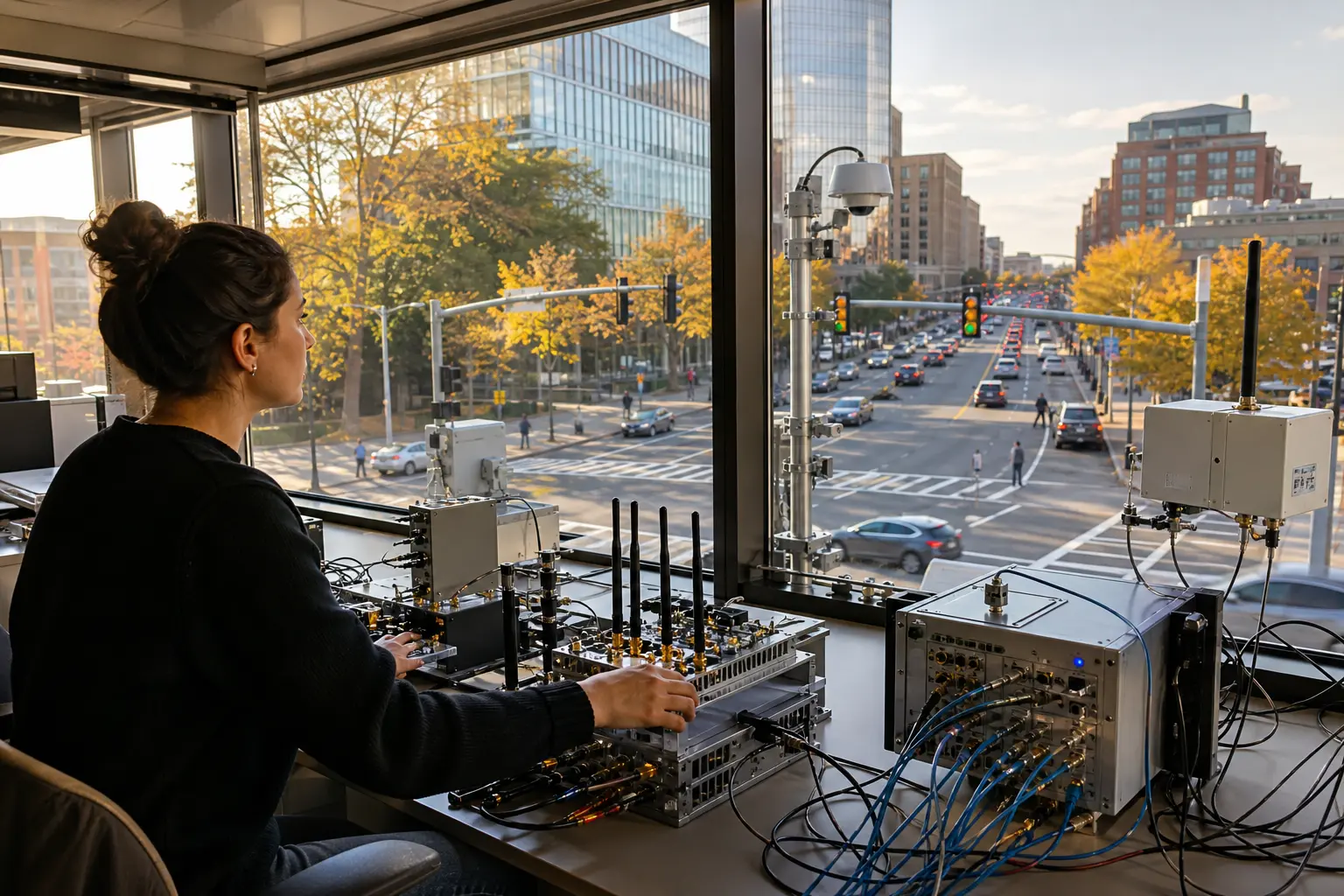
GENESIS writes and tests network software from a research idea
Northeastern University’s GENESIS framework turns a researcher’s natural-language concept into code, tests and retests it, and returns a working program under human supervision. The team has already used GENESIS to improve how phones connect to towers and says the same approach could accelerate traffic-sensor networks, remote satellite links and future 6G services.
Source: Northeastern Global News
Wienerdog gives Codex and Claude Code one local memory
The open-source Wienerdog project gives people using Codex CLI and Claude Code a shared local vault of plain files for preferences, long-term memory and recurring skills. Its nightly routine can propose durable memories and turn repeated work into reusable instructions; identity changes require approval, and scheduled jobs refuse to run when their recorded files drift.
Source: Wienerdog on GitHub
OpenAI publishes formal checks for ten new mathematics results
OpenAI has published Lean 4 formalizations for ten results spanning geometry, coding theory, group theory, quantum complexity, cryptography and combinatorics. The accompanying announcement says an internal Astra research system generated the arguments before the system formalized them; researchers can now inspect the certificates, paper and reasoning walkthroughs in the official repository.
Source: OpenAI — ten-proofs repositoryAgent idea of the day
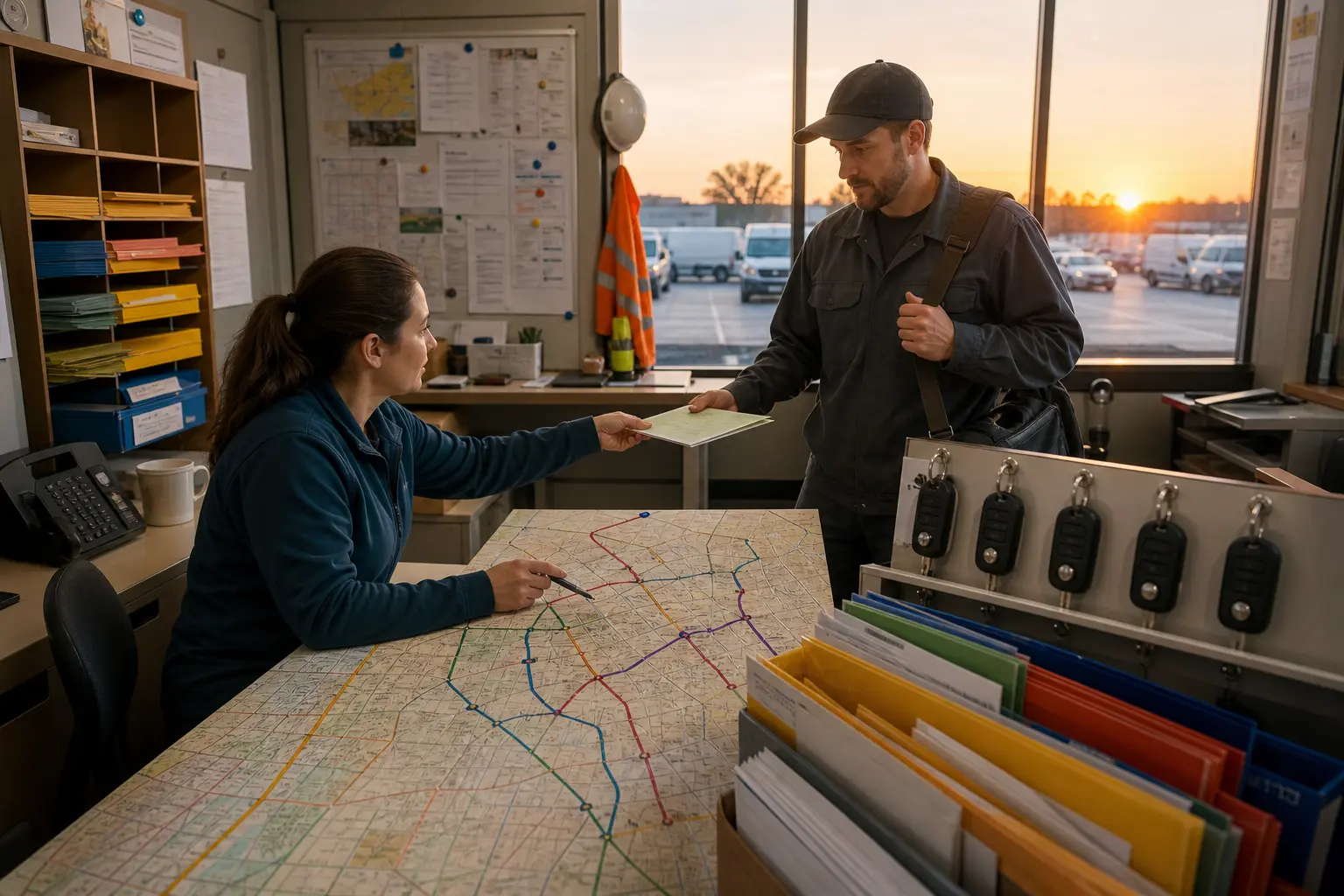
Build a supervised field-service dispatcher
What this agent does
Prepare a practical next-shift plan that combines approved appointments, technician skills, parts availability, travel conditions and customer context without making promises or reassignments on its own.
Best for: HVAC, repair, installation, maintenance and other field-service teams that coordinate several daily visits across disconnected calendars, inventory tools and customer records.
Give it
- The approved appointment list, service windows, addresses and customer contact preferences
- Technician skills, certifications, working hours, home bases and current assignments
- Parts inventory, equipment records, safety rules, travel-time data and escalation contacts
Tell it to
- Check every appointment for the required skills, parts, access notes and safety constraints.
- Draft a route and assignment plan that respects service windows, working hours and realistic travel time.
- Flag missing parts, conflicting appointments, unsafe conditions and customer records that need clarification.
- Prepare one concise job brief for each technician with only the information needed for that visit.
- Ask the dispatcher to approve every reassignment, schedule change and customer-facing commitment before updating any system.
Run it: Run after the next day’s schedule closes and again when a cancellation, urgent job, technician absence or critical parts shortage changes the plan.
You get
A proposed route board, one-page technician briefs, a conflict list and an explicit approval queue for the human dispatcher.
Keep a human in control
- Never change an appointment, assign overtime or contact a customer without dispatcher approval.
- Do not route anyone to a job when skills, certification, parts or safety information are incomplete.
- Minimize personal data in technician briefs and retain it only under the company’s existing policy.
- Keep emergency, regulated and high-risk work on the organization’s established escalation path.
Feasibility: Salesforce’s 2026 survey of 2,317 field-service professionals found that 95% of organizations use AI, 57% of those using AI-powered scheduling and dispatch report higher revenue per job, and 57% report higher mobile-worker productivity. The same study found that only 16% have unified field and back-office technology, supporting a supervised briefing layer that assembles context without silently changing source systems. Source: Salesforce News — State of Field Service →