2026-08-26
Daily AI Digest: Agents enter team chats and schedule repeat work
This is the GolemWorkers daily AI digest for anyone watching autonomous software move from demos into daily work. Today’s edition covers agents entering shared team rooms, helping small businesses grow, taking on legal and construction operations, and making repeated tasks easier to schedule while people keep the final say.

SandboxAQ puts people and AI agents in the same team-chat room
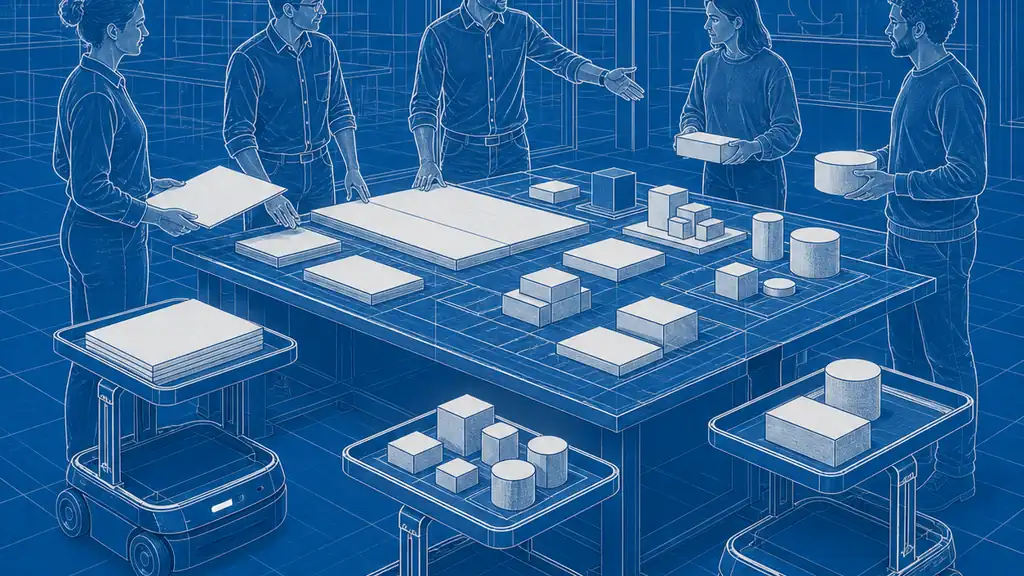
Switch is open-source software that brings existing agents into shared rooms in Slack, Microsoft Teams, Discord and other collaboration tools, where humans and agents can work from the same project history and rules. Teams can connect agents built with Claude Code, Google ADK, LangChain, OpenAI and other frameworks; Switch is available now for free deployment, with enterprise options also offered.
Source: SandboxAQ
OpenClaw can spot repeated work and offer to schedule it
A change merged to OpenClaw’s main branch notices when someone asks for substantially the same job a third time, completes the current request, then offers to convert it into a recurring automation. If accepted, OpenClaw restates the task and schedule in plain language, creates the job for the same channel or thread and runs an immediate visible test; packaged availability follows a future release.
Source: OpenClaw
Runable is pushing its small-business agent from building into growth
Runable lets nontechnical owners create and deploy websites, apps, presentations and analytics from natural-language requests, and is extending the agent into ads, social media, SEO and customer acquisition. In TechCrunch’s test it built a site and prepared an ad campaign but still required an external ad account to run it; the company raised 1 million to expand the product.
Source: TechCrunch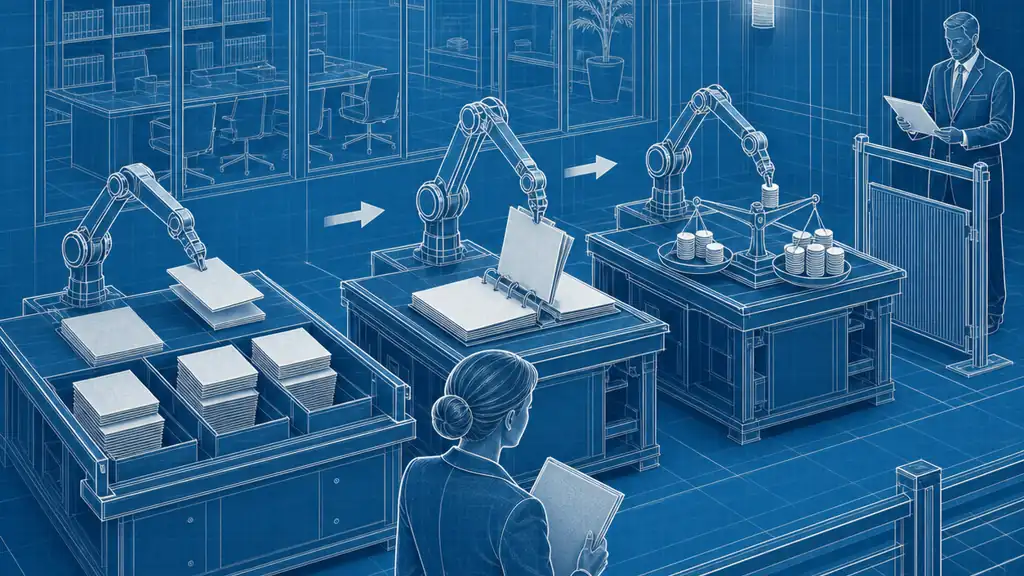
Aderant opens seven legal-operations agents for early access
Law firms can now request early access to Aderant Agent Center, whose purpose-built agents help prioritize appeals and collections, improve time entries, assemble performance evidence, interpret outside-counsel rules, forecast ledgers and explain billing rates. The agents use licensed Aderant product data to monitor, recommend and draft, while firm staff remain the final decision makers.
Source: Aderant
PlanRadar lets construction teams describe agents in plain language
PlanRadar customers can build agents with natural-language prompts or use ready-made options such as a response agent that reads an incoming RFI, searches project documents and drafts a sourced reply. Every action is logged and attributed, users can test behavior before launch, and each agent is limited to the access of its creator; the feature is available across all PlanRadar plans.
Source: Construction Management
Claude Code reduces restart surprises in background agent work
Claude Code 2.1.246 makes non-interactive sessions automatically continue after a server error, connection loss or stall instead of ending, and asks before a dynamic workflow restarts finished subagents. The release also improves background-session startup reliability and marks a subagent result as partial when it reaches its turn limit, giving coding teams a clearer path to continue unfinished work.
Source: AnthropicAgent idea of the day
Clear the day’s decision debt before it becomes tomorrow’s delay

What this agent does
Find unresolved decisions, requests and promises in approved team channels, connect each one to an owner and deadline, and prepare a clean review queue before the work disappears in chat history.
Best for: Founders, operations leads, account teams and project managers whose decisions are spread across busy Slack, Teams or Discord rooms.
Give it
- Approved project channels and the rooms it must never read
- A read-only owner map, project list and current task export
- Your definitions of a decision, request, promise, blocker and urgent deadline
- A named human reviewer for every proposed assignment or message
Tell it to
- Read only new messages from the approved rooms since the last successful run.
- Extract unresolved decisions, requests, promises and blockers with the minimum supporting quote.
- Match each item to the current owner, project and deadline, then flag missing or conflicting records.
- Draft one proposed owner, deadline and next action for every unresolved item without changing any system.
- Deliver a prioritized approval queue and ask the named reviewer to accept, edit or reject each proposal.
Run it: Run 30 minutes before the end of each business day and immediately after incident, launch or customer-escalation rooms close.
You get
A dated decision-debt register with source room, minimal evidence, proposed owner, deadline, next action, risk level and a short human approval queue.
Keep a human in control
- Never read direct messages, private rooms or channels outside the approved list.
- Never assign work, send a message, edit a task or create a deadline without human approval.
- Redact credentials, payment data, health information and unrelated personal details.
- Mark ambiguous language as uncertain and route it for review instead of inventing intent.
Feasibility: SandboxAQ says Switch can place agents in shared Slack, Teams and Discord rooms while preserving each room’s context, history and rules. That supports a recurring read-classify-report loop inside approved channels; this recipe keeps assignments, outbound messages and task-system changes behind explicit human approval. Source: SandboxAQ Switch →