2026-08-31
Daily AI Digest: OpenClaw 2.0 travels; screen recordings become agents
This is the GolemWorkers daily AI digest, a practical briefing on what autonomous software can now do for people and businesses. Today’s edition covers agents that carry work between devices, learn repeatable office tasks, design in CAD, document their own actions, and handle voice turn-taking with fewer awkward interruptions.
OpenClaw 2.0 can carry a working session between machines
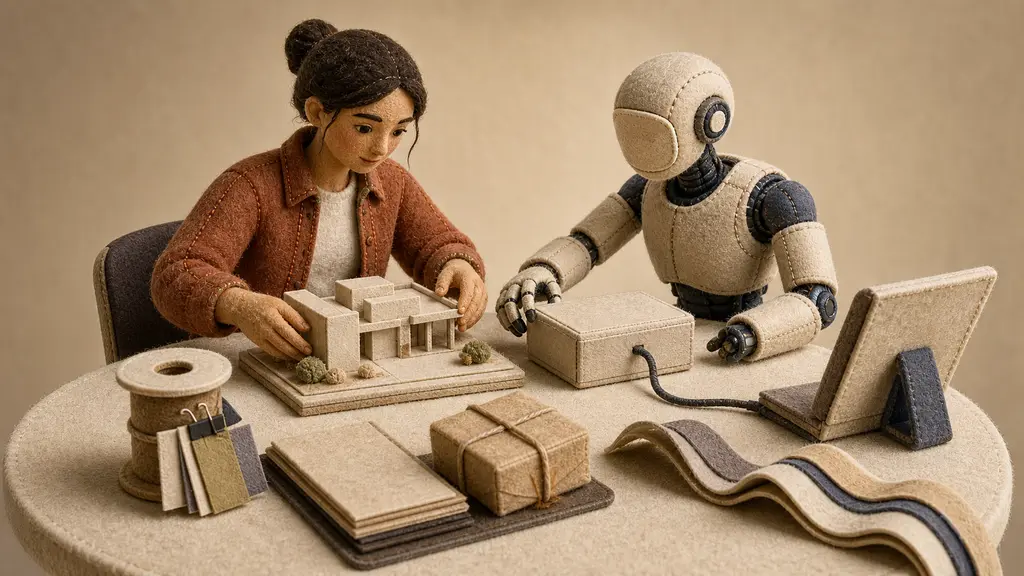
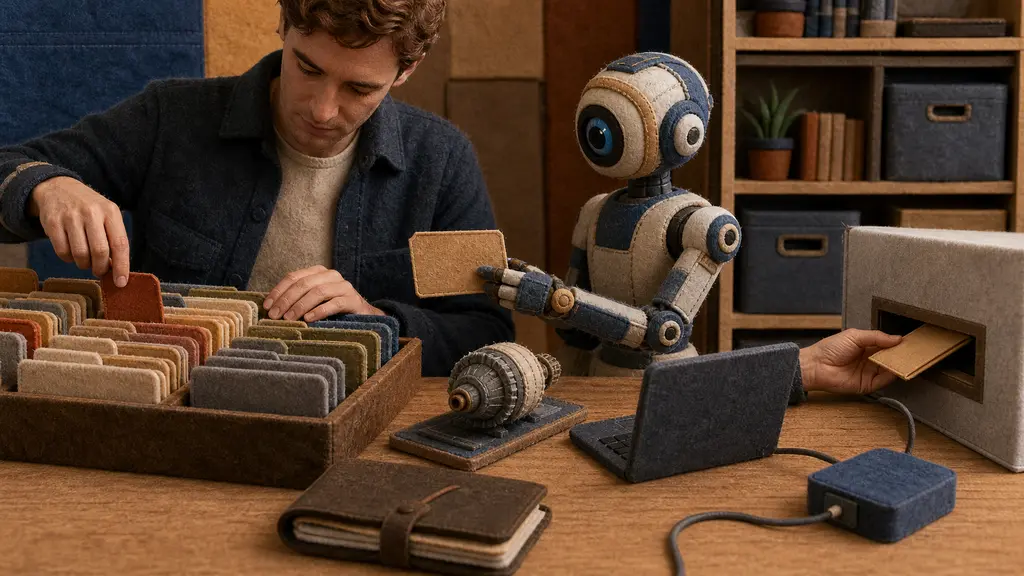
OpenClaw 2026.8.1 lets personal-agent users search old conversations, move an active session and its workspace to paired devices or cloud workers, follow durable progress across reloads, and approve an exact recurring operation once. It also adds masked credential requests that keep the secret out of chat and model context; users should back up configuration and run the documented repair command if the update hits either breaking migration.
Source: OpenClaw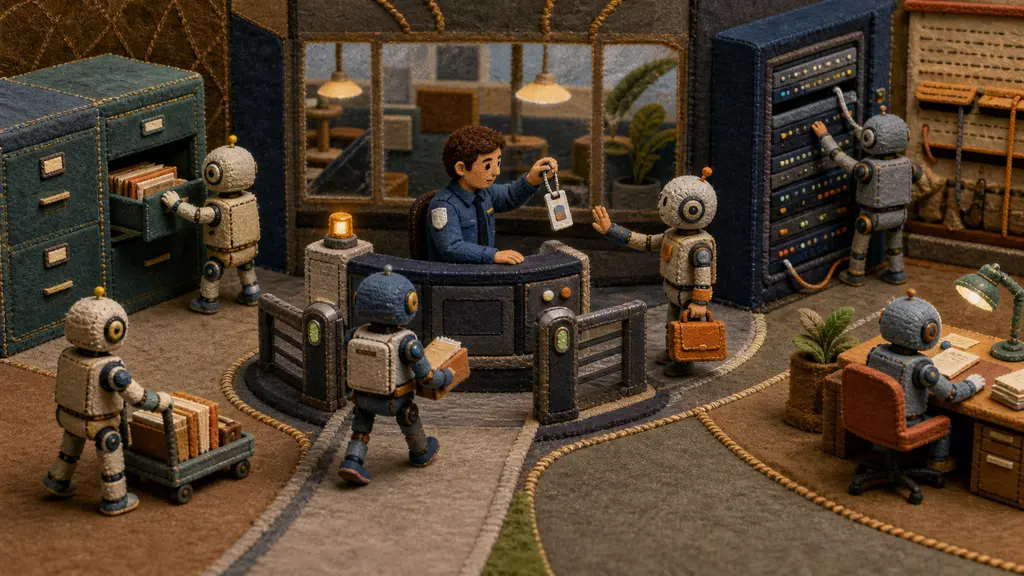
Broadcom puts a traffic controller in front of enterprise agents
Broadcom made AgentMinder generally available as a control layer that gives each agent an identity, checks its declared mission, intent, context and current risk before every tool call reaches a company resource, and records the resulting session. Organizations can deploy it beside models on premises, in a private cloud or in public cloud infrastructure, reusing existing authorization systems through the AuthZEN standard.
Source: Broadcom
Cogram gives agents a real CAD and BIM workstation
Cogram Studio lets Claude Code, Codex, ChatGPT and other MCP-capable agents create, inspect and revise real FreeCAD models, while a person watches the three-dimensional work in a browser and receives exports such as IFC, STEP, DXF and STL. A temporary session needs an email but no account or card; Cogram says the tool is already useful for bounded repetitive design work, while complex models still need iterative human inspection and format-aware handoff.
Source: Cogram Studio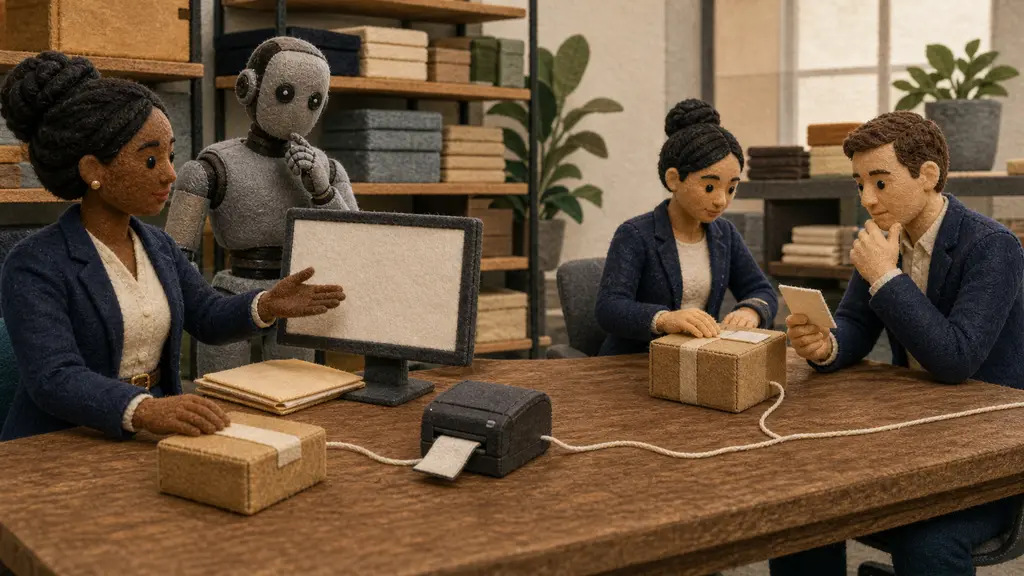
Infragrid turns a screen recording into a supervised agent workflow
Infragrid records a process as someone performs it across browser and desktop apps, converts the demonstration into an editable runbook, and identifies the inputs, accounts, handoffs and exceptions behind each step. Teams can choose where a person must approve, then let the agent repeat the approved work while retaining a reviewable record of each run; the product is aimed at repeatable operations that currently live only in one employee's habits.
Source: Infragrid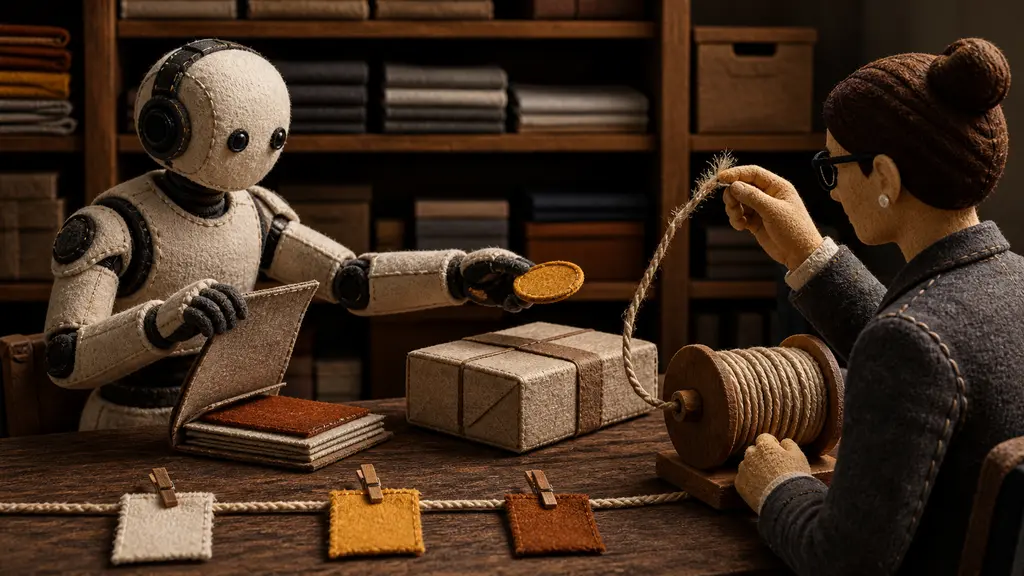
Halo-record gives customers a checkable history of agent actions
The open-source halo-record project captures tool calls, model calls, data access and approvals as an append-only, hash-chained log and renders a self-verifying report that a customer can inspect. It stores hashes and short redacted summaries rather than full payloads and supports Python, TypeScript, MCP, Claude Code and common agent frameworks; its own documentation is explicit that a separately held checkpoint is required to make later rewriting detectable outside the operator's control.
Source: halo-record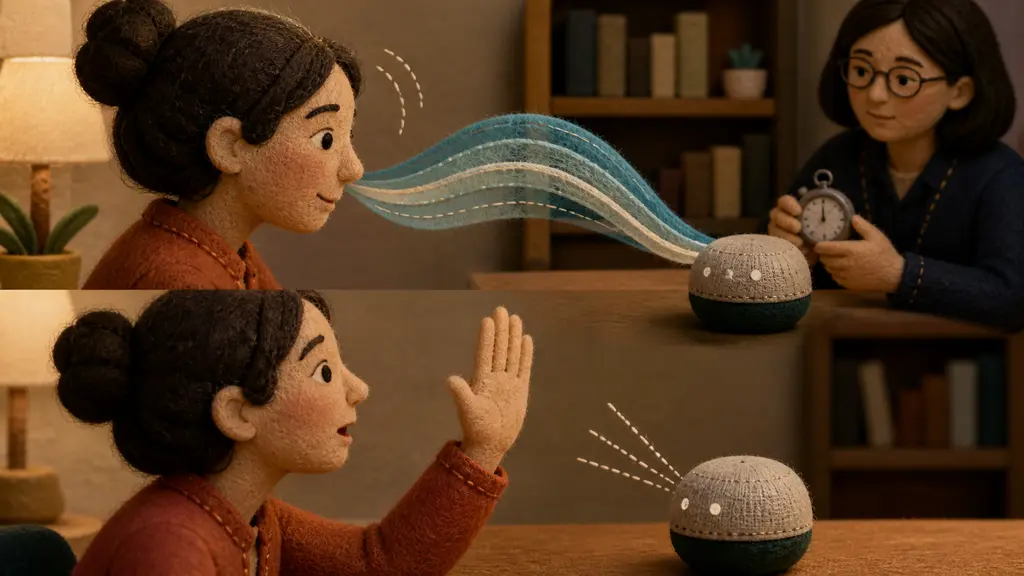
A voice agent can learn when “mmhm” is not an interruption
In a controlled 30-session test, Anton Izmailov added a transcript-first classifier before a voice agent decided whether to stop speaking. The extra step made the correct end-to-end choice in 95–97% of labeled cases and preserved most short acknowledgments, but a full response took roughly 2.85 seconds versus about 1.36–2.20 seconds for the faster native policies—useful evidence that natural voice agents still trade conversational judgment for speed.
Source: Anton IzmailovAgent idea of the day
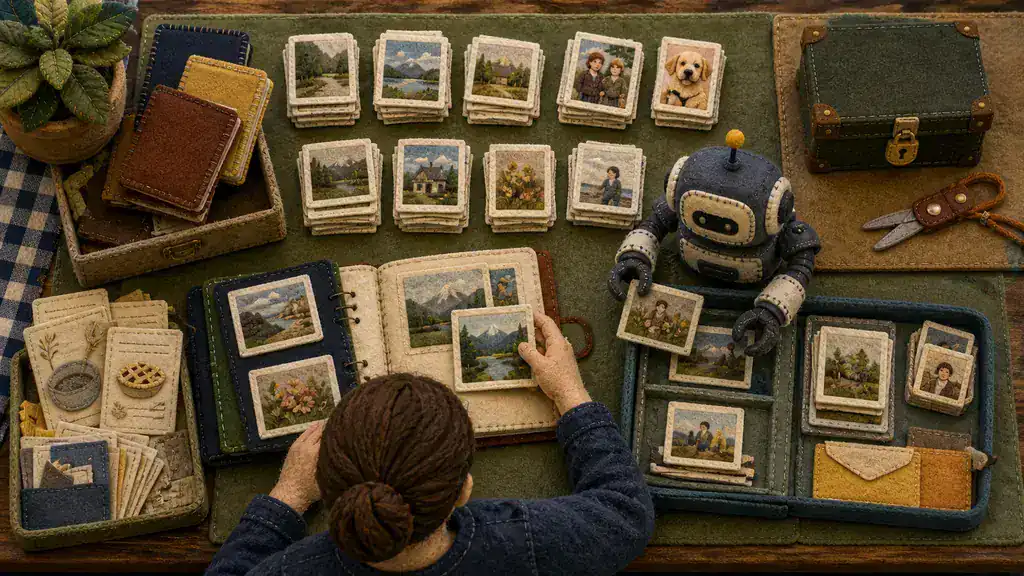
Build a private photo librarian that can stage—but never delete
What this agent does
Organize a large personal photo and video library into useful review albums without uploading private media or giving the agent destructive access.
Best for: Families, photographers and solo professionals with years of near-duplicates, screenshots, receipts and uncategorized memories on one trusted device.
Give it
- A paired trusted device that exposes read-only photo-library access and can create new review albums locally
- On-device image, face-grouping, text-recognition and video-frame analysis tools that return only scores, hashes and proposed album actions
- Your protected dates, people, folders and a rule that uncertain media is always kept
- Separate reversible albums for favorites, near-duplicates, screenshots, documents and possible clean-up
Tell it to
- Scan the library locally and group exact or near-duplicate photos without changing the originals.
- Rank each duplicate group by sharpness, exposure, faces and how complete the moment is, then place only the alternatives in a review album.
- Separate screenshots, receipts, recipes and saved ideas into searchable albums using on-device text recognition.
- Create a favorites review from rare events and strong photos, and explain each recommendation in one short sentence.
- Prepare a final review sheet with album counts, estimated space, uncertain cases and links to inspect every staged item; perform no deletion or irreversible edit.
Run it: Run while the trusted device is charging once a week, and rescan only new media after the first full pass.
You get
A set of reversible review albums plus a concise report showing duplicate groups, candidate favorites, categorized screenshots, possible space savings and every uncertain case.
Keep a human in control
- Keep all photo, video, face and text analysis on the trusted device; never return image or video bytes to the coordinating agent.
- Never delete, hide, overwrite, crop, trim, share or upload an original file.
- Never infer sensitive relationships or label people by identity without an explicit user-provided name.
- Treat protected dates, albums and people as keep-only, and send low-confidence classifications to review.
- Require the owner to complete any cleanup inside the device's normal Photos interface.
Feasibility: Piqt already scores photos and videos locally, groups near-duplicates, extracts useful information from screenshots and stages possible cleanup without having any delete capability. Its App Store listing states that media never leaves the device and that the user must finish cleanup in Apple's Photos app, proving the core privacy and human-control pattern is practical. Source: Piqt — on-device photo and video curator →